

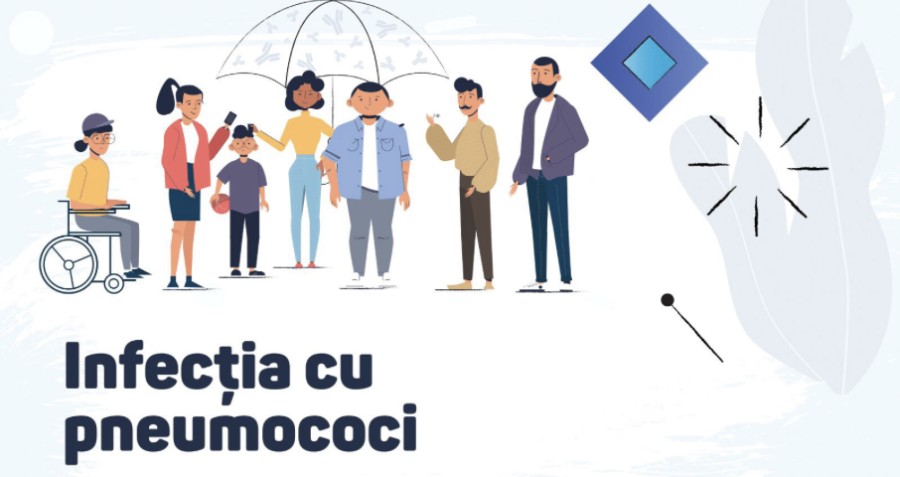
Pneumococcal infection is an important cause of morbidity and mortality in both children and adults. Invasive pneumococcal disease (most commonly pneumonia with bacteremia and meningitis) represents a major public health problem worldwide.
According to the World Health Organization, approximately 2,000 cases of pneumococcal infection and about 100 deaths are reported annually in the Republic of Moldova.
Transmission
Pneumococcal bacteria are transmitted from person to person through direct contact with respiratory secretions, such as saliva or mucus. Many people, especially children, carry these bacteria in the nose or throat without being ill. These people are called “carriers” and rarely develop the actual disease.
Risk factors
Children under 2 years of age and adults over 65 are at the highest risk. The main risk factors include:
- absence or reduced function of the spleen (asplenia / hyposplenia)
- alcoholism
- diabetes mellitus
- influenza
- immune system deficiencies (such as complement system dysfunction or lack of antibodies)
- HIV infection
- particularly aggressive strains of S. pneumoniae
Symptoms
Pneumococcal pneumonia (lung infection) is the most common and severe form, with the following symptoms:
- fever and chills
- cough
- rapid or difficult breathing
- chest pain
Pneumococcal meningitis is an infection of the membranes covering the brain and spinal cord. Symptoms include:
- neck stiffness
- fever
- headache
- photophobia (sensitivity to light)
- confusion
Sepsis is a life-threatening condition caused by an excessive inflammatory response of the body to infection, which can lead to tissue damage, organ failure and death. Symptoms include:
- confusion or disorientation
- increased breathing rate (over 20 breaths per minute)
- rapid heart rate (over 90 beats per minute)
- fever, chills, feeling cold
- severe pain or discomfort
- clammy or sweaty skin
Pneumococcal bacteria also cause up to half of all middle ear infections (otitis media). Symptoms include:
- ear pain
- swollen and red eardrum
- fever
- drowsiness
Prevention
Due to the resistance of some strains to antibiotics and the ease with which the bacteria spread, vaccination remains the only safe method of prevention of pneumococcal infections. Pneumococcal vaccines protect against more than 90 types of pneumococcal bacteria, and their effectiveness lasts for approximately five years.
It is important to note that a previous pneumococcal infection does not provide protection against future infections.