
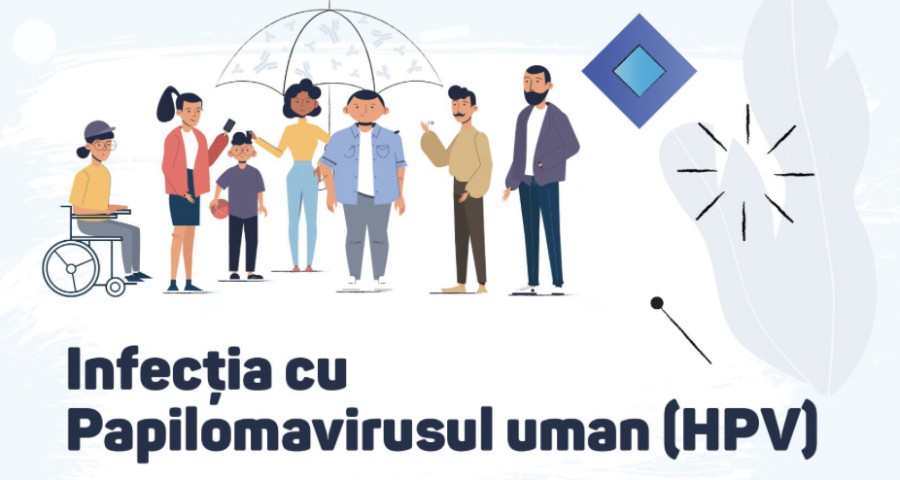
Human Papillomavirus (HPV) is a viral infection that causes lesions of the skin and mucous membranes, often manifesting as genital warts (condylomas, warts, and verrucae). More than 100 HPV types have been identified to date, and infection with at least one type is very common. Some HPV types cause warts, while others can lead to various types of cancer.
According to the CDC (Centers for Disease Control and Prevention), HPV infection is the most common sexually transmitted infection. It is so widespread that it can occur even with a small number of sexual partners. It is estimated that almost all sexually active people, both men and women, will contract at least one type of HPV during their lifetime, although most will not be aware of the infection.
HPV infection in women
Most women infected with HPV do not show symptoms, and the infection may resolve on its own without causing health problems. In some cases, lesions may appear on the genital organs, inside the vagina, as well as on the anus, vulva, or cervix.
It is important to consult a specialist if lesions, condylomas, or inflammation of the genital area are noticed, especially since some HPV types cause precancerous lesions that may develop into cancer. Regular gynecological check-ups allow early detection of changes associated with cervical cancer.
HPV infection in men
As in women, most men with HPV infection do not experience symptoms. In some cases, genital warts may appear. It is also important to note that certain HPV types can cause cancer of the penis or anus. People with weakened immune systems and those who practice anal sex are at higher risk.
HPV infection during pregnancy
HPV infection does not reduce the chances of becoming pregnant. However, if a woman is pregnant and has an HPV infection, treatment is usually postponed until after delivery.
Hormonal changes during pregnancy may cause genital warts to grow and bleed. If they become extensive, natural birth may be difficult, and a cesarean section may be required.
In rare cases, HPV can be transmitted to the baby during childbirth, leading to recurrent respiratory papillomatosis, characterized by warts in the child’s respiratory tract.
Risk factors
- multiple sexual partners
- age – common warts often appear in children; genital HPV infection is more common in adolescents and adults
- weakened immune system
- skin lesions or injuries
- physical contact – touching warts or contaminated surfaces increases the risk of infection
Symptoms
Most often, HPV infection causes no signs or symptoms. It is estimated that up to 75% of sexually active women may be infected with HPV at some point, but the immune system clears the infection within 2–3 years.
If the immune system fails to eliminate the virus, various forms of warts may develop on the skin, weeks, months, or even years after exposure.
Diagnosis
Currently, there are no blood tests to detect HPV. Diagnosis may include:
- physical examination of the skin and mucous membranes
- Pap smear (Papanicolaou test)
- colposcopy
- HPV genotyping
- cervical biopsy
Complications
- lesions of the oral cavity and respiratory tract
- secondary bacterial infections of papillomas
- association with other sexually transmitted infections
- cancer (cervical, genital, anal, rectal, oropharyngeal)
Globally, cervical cancer is the third most common cancer in women and the second most common in the European Union after breast cancer. According to WHO estimates, in the Republic of Moldova approximately 300 new cases of cervical cancer are identified annually, with about 170 deaths.
Prevention
Vaccination against HPV is the most effective way to prevent health problems associated with the virus, including cervical cancer.
Vaccination is recommended for both girls and boys, around the age of 12 years (or between 10 and 14 years), before the onset of sexual activity and exposure to HPV.
The vaccine loses effectiveness if a person has already been infected with HPV.