Endoscopy – a modern method for examining internal organs

How does endoscopy work?

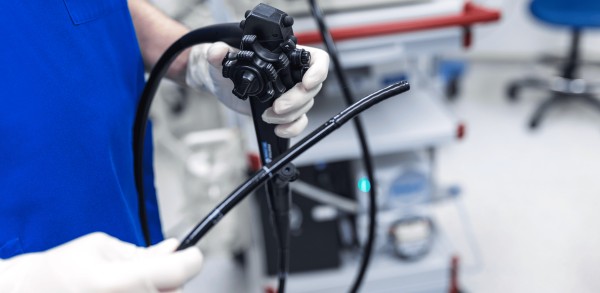
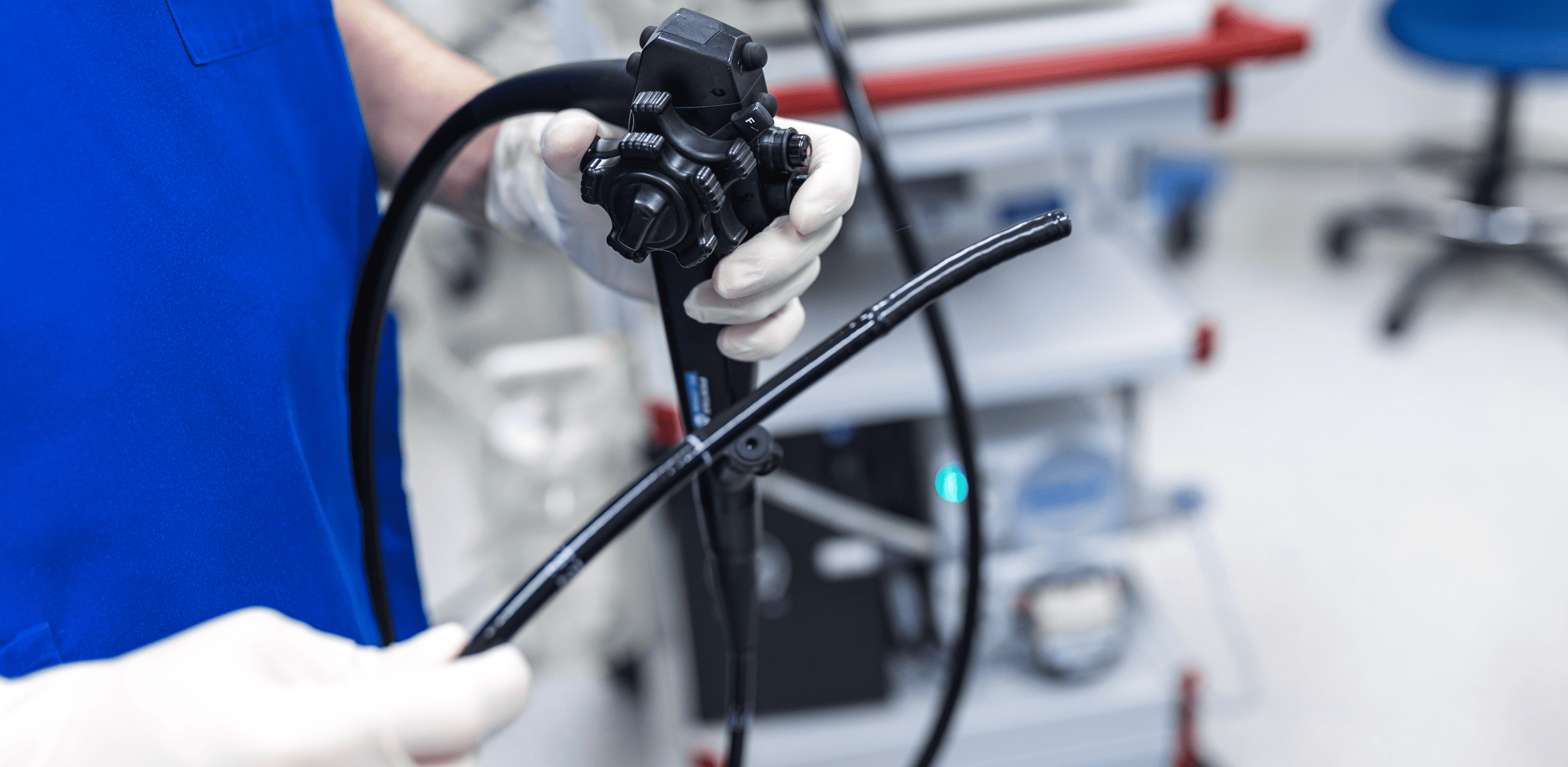
The procedure involves inserting a tubular instrument equipped with its own light source and a high-precision optical system that provides detailed diagnostic images.

Thanks to IScan I, II, III advanced technology, endoscopic devices allow early detection of gastrointestinal disorders, including tumors at initial stages, by highlighting microstructural tissue changes.

Types of Endoscopy Used for Diagnosis

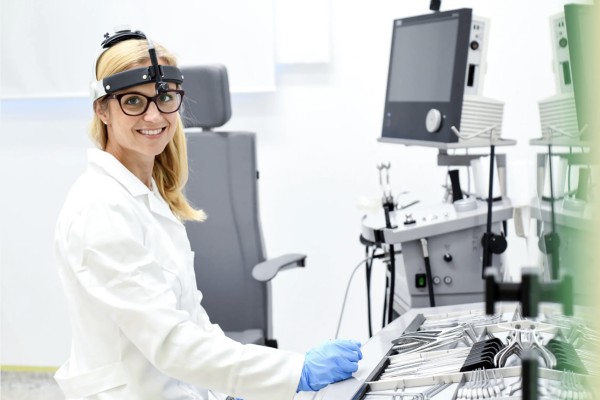
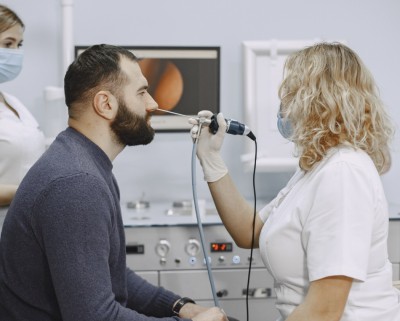
Laryngoscopy

A medical procedure used to examine the larynx, vocal cords, and surrounding throat structures. It is performed using an instrument called a laryngoscope, which may be rigid or flexible, depending on the method.

Laryngoscopy is indicated for:

  • voice problems (persistent hoarseness, loss of voice);
  • difficulty swallowing (dysphagia);
  • sensation of a foreign body in the throat;
  • chronic cough or bleeding in the throat;
  • evaluation of laryngeal tumors or polyps;
  • diagnosis and treatment of airway obstructions.
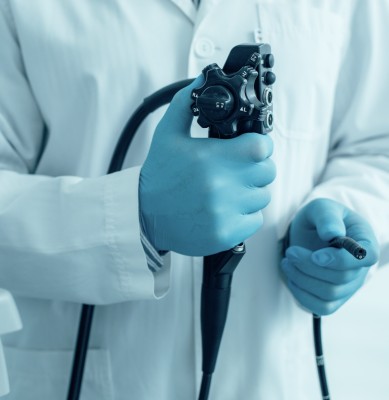
Gastroduodenoscopy

(also known as upper gastrointestinal endoscopy) is an essential method for diagnosing and treating diseases of the upper digestive tract. It is a minimally invasive procedure used to examine the esophagus, stomach, and duodenum.

Indications for gastroduodenoscopy:

  • persistent heartburn or gastroesophageal reflux;
  • unexplained abdominal pain;
  • nausea, vomiting, or difficulty swallowing;
  • gastrointestinal bleeding (black stools or blood in vomit);
  • unexplained anemia;
  • suspected gastric or duodenal ulcers;
  • detection and monitoring of conditions such as chronic gastritis or Helicobacter pylori infection;
  • biopsies for diagnosing diseases such as stomach cancer.

Diagnostic Colonoscopy

A minimally invasive medical procedure that allows examination of the interior of the large intestine (colon) using a flexible instrument called a colonoscope. Diagnostic colonoscopy is a key method for preventing and detecting colon diseases early, contributing to effective treatment and maintaining intestinal health.

Colonoscopy is performed for:

  • colorectal cancer screening (especially after the age of 50);
  • identifying the causes of rectal bleeding;
  • diagnosing inflammatory bowel diseases (Crohn’s disease, ulcerative colitis);
  • investigating unexplained abdominal pain or bowel movement disorders (chronic diarrhea, severe constipation);
  • detecting and monitoring colon polyps.

Conditions and Safety

📅 Endoscopic procedures are performed by prior appointment only.

💙 With advanced equipment and experienced physicians, endoscopies are carried out under optimal and safe conditions.

🛑 After each procedure, endoscopic probes undergo a strict sterilization process in an automated washing and disinfection machine.

⏳ The automatic sterilization cycle lasts 30 minutes and includes integrity testing of the endoscope.

💤 The patient benefits from general anesthesia, ensuring maximum comfort throughout the examination.

Pricelist:

Doctors
Working hours
Monday Flexibil
Tuesday Flexibil
Wednesday Flexibil
Thursday Flexibil
Friday Flexibil
Saturday Flexibil
Working hours
Monday Flexibil
Tuesday Flexibil
Wednesday Flexibil
Thursday Flexibil
Friday Flexibil
Saturday Flexibil

Important services

Other services

Don’t know what to choose? Then we’ll help you!

You can make an appointment online or contact us directly.

Tell us briefly what you need, and our team will guide you to the best solution for your health and comfort.

Making the right choice has never been easier.